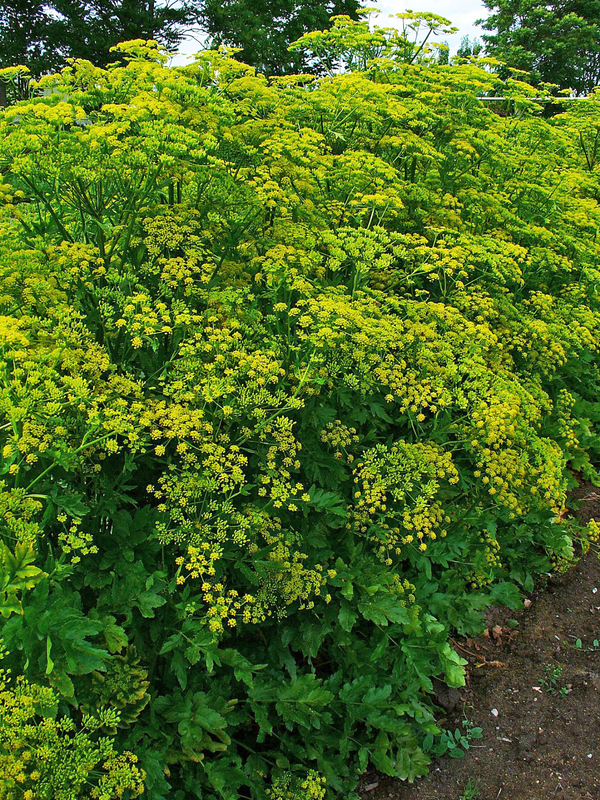
Pastinaca
Pastinaca sativa · Plant · Apiaceae
Pastinaca suits acute states of delirium tremens with visual illusions, loquacity, and uncontrollable restlessness. A peculiar feature is the depression of gastric nerve irritability that renders emetics ineffective even in double doses.
Key symptoms
- Delirium tremens with illusions of vision
- Grasping at imaginary objects
- Incessant talking and incoherent speech
- Uninterrupted attempts to get out of bed
- Fits of convulsive laughter and fighting
- Vomiting of milk in large curds
- Gastric irritability so depressed that emetics in double doses have no effect

Pastinaca sativa. Parsnip. N. O. Umbelliferæ. Tincture of roots of second year.
Clinical
Delirium tremens. Loquacity. Milk, intolerance of.
Characteristics
The root of the Parsnip, after the first year, is very poisonous, and some cases of poisoning have been observed, the symptoms of which make up the Schema. A state of perfect "delirium tremens" was observed in several persons, illusions of vision, catching at imaginary objects; fighting with one another. A peculiar effect was produced on the stomach; the irritability was depressed and emetics would not act.
Relations
Compare: Æthus, Ziz.
1. Mind
Delirium tremens.─Quiet delirium, illusions of vision, grasped at imaginary objects; incoherent speech; uninterrupted attempts to get out of bed.─Incessant talking.─Fighting.─Fits of convulsive laughter.
Classical texts are in the public domain. Educational reference only — not medical advice.
