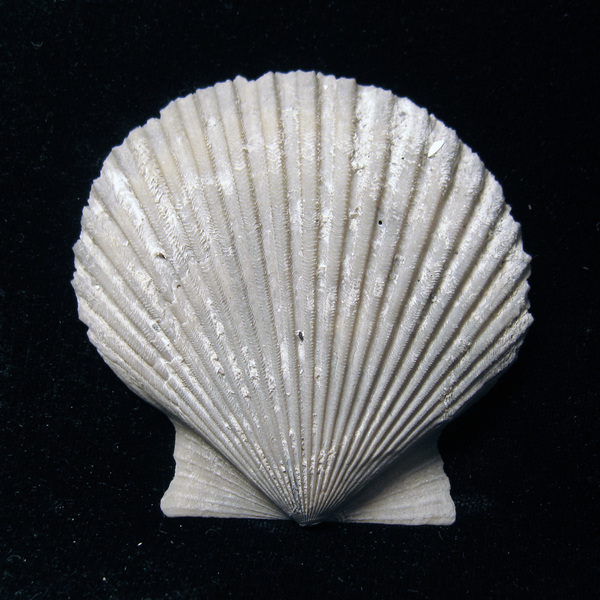
Pecten
Pecten (scallop shell) · Animal
Pecten suits cases of humid asthma with prominent right-sided chest constriction, inability to lie down, and attacks preceded by coryza and sneezing. It is particularly indicated when asthma is associated with or triggered by shellfish exposure.
Key symptoms
- Humid asthma with quick, laboured breathing
- Cannot lie flat or on left side
- Constriction of chest especially on right side
- Attacks preceded for two to three days by sneezing and excessive coryza
- Burning sensation in throat and chest
- Copious expectoration of tough, stringy, frothy mucus
- Cough worse after 6 p.m. and at night
Worse (aggravation)
- Worse after 6 p.m.
- Worse at night

Scallop. N. O. Pectinidæ. Trituration or tincture of the animal.
Clinical
Asthma; humid.
Characteristics
Swan (Org., ii. 449), having learned "from a gentleman that every time he entered a room where scallops were being opened he had such a severe attack of asthma that he had to leave or suffocate," potentised the Scallop, and used the preparation with success in similar cases. T. Franklin Smith (Ibid.) reports a case of humid asthma cured quickly and permanently with Pecten 1m. and c.m., characterised as follows: Quick, laboured breathing; cannot lie flat or on left side; constriction of chest, especially right side. Attacks preceded for two or three days by sneezing and excessive coryza; burning sensation in throat and chest; fulness of head; pulse very quick and wiry; subsequently copious expectoration of tough, stringy, and frothy mucus. Cough < after 6 p.m. Symptoms < at night. Arsen. did not relieve.
Classical texts are in the public domain. Educational reference only — not medical advice.
