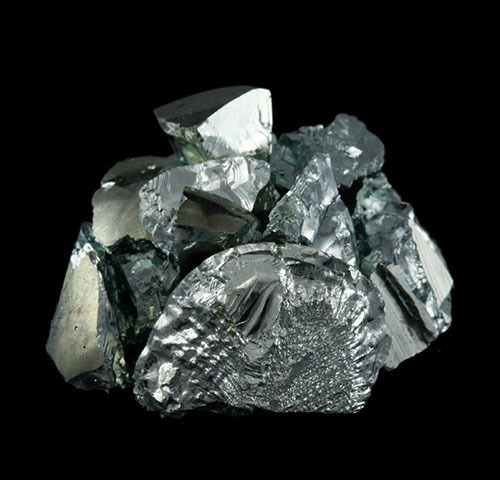
Plumbum metallicum
Lead · Lead · Mineral
While the profile for Plumbum met. is associated mainly with physical symptoms, irritability, timidity, restlessness, apathy, anxiety, and depression are all psychological factors that may be linked to Plumbum met. The emotional traits may begin in childhood: children suited to the remedy are restless, with a weak memory and emotional instability. Adults who respond best to Plumbum met. have a tendency to be self-centered, with self-destructive impulses. They may have a strong sense of order.
There may be difficulties in perception, a reduced ability to express thoughts, and memory loss. These symptoms show a lack of emotional pliability that may be echoed by a loss of physical flexibility. Thus the remedy is given for sclerotic (tissue-hardening) conditions such as arteriosclerosis, which thickens and hardens arteries, and Dupuytren’s contracture, a disorder affecting one or both of the hands, in which one or more fingers become fixed in a bent position.
Key symptoms
- mental dullness
- hardening of attitude and state of mind
- hardening or thickening of tissues and arteries
- extreme chilliness
- shooting pains
Worse (aggravation)
- at night
- motion
Better (amelioration)
- rubbing
- hard pressure
- physical exertion (Alumen)

Lead
The great drug for general sclerotic conditions. Lead paralysis is chiefly of extensors, forearm or upper limb, from center to periphery with partial anæsthesia or excessive hyperasthesia, preceded by pain. Localized neuralgic pains, neuritis. The blood, alimentary and nervous systems are the special seats of action of Plumbum. Hematosis is interfered with, rapid reduction in number of red corpuscles; hence pallor, icterus, anæmia. Constrictive sensation in internal organs.
Delirium, coma and convulsions. Hypertension and arteriosclerosis. Progressive muscular atrophy. Infantile paralysis. Locomotor ataxia. Excessive and rapid emaciation. Bulbar paralysis. Important in peripheral affections. The points of attack for Plumbum are the neuraxons and the anterior horns. Symptoms of multiple sclerosis, posterior spinal sclerosis. Contractions and boring pain. All the symptoms of acute. Nephritis with amaurosis and cerebral symptoms. Gout (Chronic).
Mind
Mental depression. Fear of being assassinated. Quiet melancholy. Slow perception; loss of memory; amnesic aphasia. Hallucinations and delusions. Intellectual apathy. Memory impaired (Anac; Baryta). Paretic dementia.
Head
Delirium alternating with colic. Pain as if a ball rose from throat to brain. Hair very dry. Tinnitus (Chin; Nat salic; Carbon sulph).
Eyes
Pupils contracted. Yellow. Optic nerve inflamed. Intraocular, suppurative inflammation. Glaucoma, especially if secondary to spinal lesion. Optic neuritis, central scotoma. Sudden loss of sight after fainting.
Face
Pale and cachetic. Yellow, corpse-like; cheeks sunken. Skin of face greasy, shiny. Tremor of naso-labial muscles.
Mouth
Gums swollen, pale; distinct blue lines along margins of gums. Tongue tremulous, red on margin. Cannot put it out, seems paralyzed.
Stomach
Contraction in œsophagus and stomach; pressure and tightness. Gastralgia. Constant vomiting. Solids cannot be swallowed.
Abdomen
Excessive colic, radiating to all parts of body. Abdominal wall feels drawn by a string to spine. Pain causes desire to stretch. Intussusception; strangulated hernia. Abdomen retracted. Obstructed flatus, with intense colic. Colic alternates with delirium and pain in atrophied limbs.
Rectum
Constipation; stools hard, lumpy, black with urging and spasm of anus. Obstructed evacuation from impaction of feces (Plat). Neuralgia of rectum. Anus drawn up with constriction.
Urinary
Frequent, ineffectual tenesmus. Albuminous; low specific gravity. Chronic interstitial nephritis, with great pain in abdomen. Urine scanty. Tenesmus of bladder. Emission drop by drop.
Male
Loss of sexual power. Testicles drawn up, feel constricted.
Female
Vaginismus, with emaciation and constipation. Induration of mammary glands. Vulva and vagina hypersensitive. Stitches and burning pains in breasts (Apis; Con; Carb an; Sil). Tendency to abortion. Menorrhagia with sensation of string pulling from abdomen to back. Disposition to yawn and stretch.
Heart
Cardiac weakness. Pulse soft and small, dichrotic. Wiry pulse, camp-like constriction of peripheral arteries.
Back
Spinal cord sclerosed. Lightning-like pains; temporarily better by pressure. Paralysis of lower extremities.
Skin
Yellow, dark-brown liver spots. Jaundice. Dry. Dilated veins of forearms and legs.
Extremities
Paralysis of single muscles. Cannot raise or lift anything with the hand. Extension is difficult. Paralysis from overexertion of the extensor muscles in piano players (Curare). Pains in muscles of thighs; come in paroxysms. Wrist-drop. Cramps in calves. Stinging and tearing in limbs, also twitching and tingling, numbness, pain or tremor. Paralysis. Feet swollen. Pain in atrophied limbs alternates with colic. Loss of patellar reflex. Hands and feet cold. Pain in right big toe at night, very sensitive to touch.
Modalities
Worse, at night, motion. Better, rubbing, hard pressure, physical exertion (Alumen).
Relationship
Compare: Plumb acet (painful cramps in paralyzed limbs; severe pain and muscular cramps in gastric ulcer; locally, as an application (non-homeopathic) in moist eczema, and to dry up secretions from mucous surfaces. Care must be used, as sufficient lead can be absorbed to produce lead poison, one to two drams of the liquor plumbi subacetatis to the ounce of water; also in pruritus pudendi, equal parts of the liquor plumbi and glycerin). Plumb iodat (Has been used empirically in various forms of paralysis, sclerotic degenerations, especially of spinal cord, atrophies, arterio-sclerosis, pellagra. Indurations of mammary glands, especially when a tendency to become inflamed appears; sore and painful. Indurations of great hardness and associated with a very dry skin. Lancinating pains of Tabes). Compare: Alumina; Plat; Opium; Podoph; Merc; Thall. Plectranthus (paralysis, spastic, spinal form); Plumb chromicum (convulsions, with terrible pains; pupils greatly dilated; retracted abdomen;); Plumb phosph (loss of sexual power; locomotor ataxia).
Antidotes: Plat; Alum; Petrol.
Dose
Third to thirtieth potency.
This drug illustrates a doctrine of Hahnemann: the doctrine of attenuation.
Generalities
When you think of the insolubility of lead, and then think of it as spread on the wall of a room, and then remember how many become sick from sleeping in a newly painted room, you will then wonder how much lead it took to make them sick.
Many patients cannot sleep in a newly painted room - they come down with lead colic or the acute affections of lead. Many people are sensitive to lead. This sensitivity is more marked than is observed in painters, who may use it for years with impunity, but all at once become susceptible to it.
You wonder how much he gets, given off in the air. It is too attenuated to be examined by the microscope and yet enough to make him sick.

PLUMBUM METALLICUM. The Element. Pb (A. W. 206.39). Trituration.
Clinical
Amaurosis. Anæmia. Anæsthesia. Aneurism. Anidrosis. Appendicitis. Asthma. Atrophy. Bone, exostoses on. Brain, softening of; tumour of. Bright's disease. Colic. Constipation. Cystitis. Depression of spirits. Diplopia. Dropsy. Dysmenorrhœa. Dysuria. Emaciation. Epilepsy. Epulis. Eyes, inflammation of. Ganglion. Gout. Hæmoptysis. Hæmorrhoids. Headache. Hernia, strangulated. Hyperæsthesia. Hypopion. Ichthyosis. Intermittent fever. Intestines, obstruction of. Intussusception. Jaundice. Jaw, tumour of. Kidneys, affections of; granular. Liver, affections of. Lockjaw. Locomotor ataxy. Melancholia. Metrorrhagia. Myelitis. Nephritis. Numbness. Œsophagus, stricture of. Paralysis; diphtheritic; agitans. Perichondritis. Proctalgia. Progressive muscular atrophy. Prolapsus ani. Sciatica. Spine, diseases of; sclerosis of; tumour of. Spleen, affections of. Stricture. Tabes mesenterica. Tobacco habit. Tongue; paralysis; of. Typhlitis. Umbilicus, abscess of; hernia of. Uric-acidæmia. Vagina, spasm of. Vaginismus. Veins, varicose.
Lead. (The Metal.)
Adapted to diseases from spinal origin (Phos., Pic. ac., Zinc.). Excessive and rapid emaciation; general or partial paralysis; extreme, with anaemia and great weakness. Muscular atrophy from scelorisis of spinal system. Lassitude; faints on going into a room full of company. Slow of perception; intellectual topor, gradually increasing apathy (in fevers, Phos. ac.). Weakness or loss of memory; unable to find the proper word (Anac., Lac c.). Delirium alternating with colic. Assumes strangest attitudes and positions in bed. Complexion: pale, ash-colored, yellow, corpse-like cheeks sunken; expressive of great anxiety and suffering. Skin of face, greasy, shiny (Nat. m., Sanic.). Distinct blue line along margin of gums; gums swollen, pale, show a lead-colored line. Excessive pain in abdomen, radiating to all parts of body. Sensation in abdomen at night, which causes patient to stretch violently for hours; must stretch in every direction (Amyl. n.). ***Violent colic, sensation as if abdominal wall was …
Mind
Loss of memory so that while talking he could not find the proper word.
Mouth and Throat
Distinct blue margin along margin of gums.
Abdomen
Violent colic, abdomen drawn in, with sensation of a string from navel drawing through to back.
Anus and Stool
Excessive pain in abdomen radiating from thence to all parts of body.
Anus and Stool
The stools are usually composed of little balls compacted together like sheep dung.
Extremities
Wrist-drop.
-
Distinct blue line along margins of gums.
-
Violent colic; abdomen retracted to the spine, as if drawn in by a string.
-
Excruciating pains in the umbilical region, to other portions of the abdomen and body, somewhat relieved by pressure.
-
Constipation; stools scanty, hard, in lumps, or balls like sheep's dung, black or green colour, passed with difficulty.
-
Sharp, lightning-like neuralgic pains in lower limbs, mostly from hips to knees, occurring in paroxysms, more from movement.

Phatak's chapter on Plumbum metallicum is available in the app.
Read Phatak in the appClassical texts are in the public domain. Educational reference only — not medical advice.
