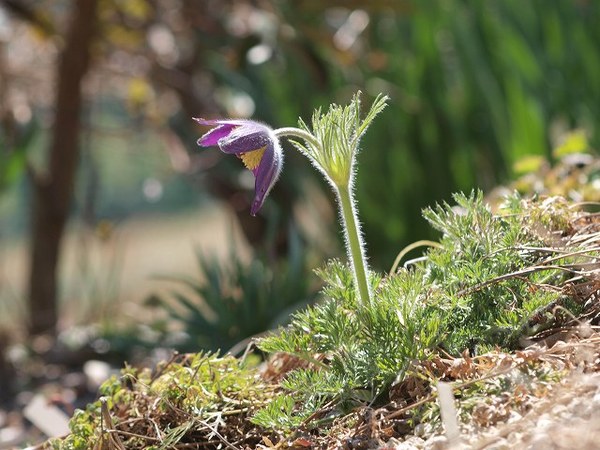
Pulsatilla nuttaliana
Pulsatilla patens / Anemone patens (Nuttall's) · Plant · Ranunculaceae
Suited to mild, yielding individuals similar to Pulsatilla nigricans, presenting with menstrual irregularities, chilliness, and changeable symptoms. The constitutional type is often sad, home-sick, and despondent, with a tendency to catch colds easily. There is a marked sensitivity to warmth and a desire for fresh open air.
Key symptoms
- Retarded or suppressed menses with cold hands and feet
- Wandering rheumatic pains in joints and muscles
- Home-sick, despondent feeling with sadness
- Fidgety restless feet, especially at night
- Flying pains in head and extremities
- Hands persistently dry and hot throughout the day
- Dizziness on entering a warm room from open air
- Colicky pains after eating fruit
- Snapping or fluttering noises in the ears
Worse (aggravation)
- Coming in from open air into a warm room
- After eating, especially specific foods like pears
- At night
- By warmth
- By reading
- On urinating
- On walking
Better (amelioration)
- Walking in open air
- Rubbing with a flesh-brush
- Scratching

American Pulsatilla. Pasque Flower (American). Anemone Ludoviciana. A. nuttaliana. N. O. Ranunculaceæ. Tincture of whole plant.
Clinical
Amenorrhœa. Clavus. Cold; liability to. Deafness. Diarrhœa. Dyspepsia. Feet, fidgety. Home-sickness. Knees; rheumatism of. Liver, pains in. Measles; prophylaxis of. Menses, retarded. Ptosis. Rheumatism; wandering. Sciatica. Shoulder, r., pain in. Tinnitus. Uterus, pains in.
Characteristics
The American Pulsatilla approaches more nearly to P. vulgaris than to P. nig. in its botanical characters. It flourishes especially in the dry and sandy bluffs which form the bed of the Mississippi. The flower is pale purplish. "The odour of the dried plant is rather faint, being slightly camphoraceous, the taste of the dried flowers simply sweetish and herbaceous, that of the leaves more astringent with very slight acrimony. The taste and to some extent the odour of the fresh plant are both acrid and irritating" (Hale). A. W. Miller, a pharmaceutist (referred to by Hale), …
Classical texts are in the public domain. Educational reference only — not medical advice.
