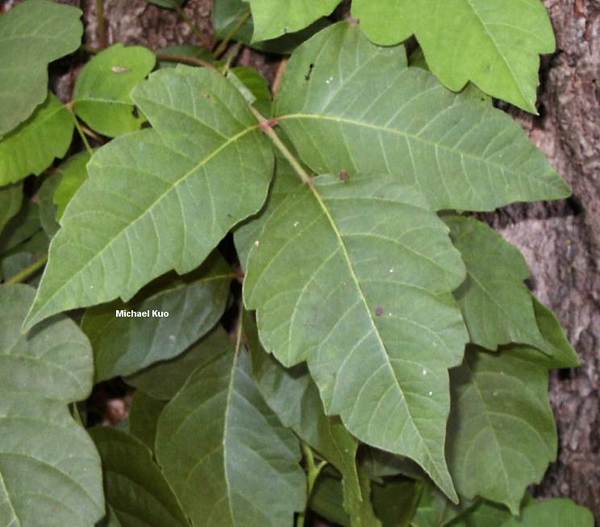
Rhus toxicodendron
Toxicodendron pubescens · Poison ivy, poison oak. · Plant · Anacardiaceae
Rhus tox. is particularly beneficial to people who are usually lively but shy, but restless and agitated when ill. Children who respond to the remedy tend to be overactive, restless, irritable, and malicious. If illness becomes chronic in these people, they may become fixed in their ways. Rhus tox. is known primarily as a remedy for skin and joint disorders. It may be helpful for skin eruptions with blisters, followed by burning, red, swollen skin that tends to scale and flake off. Skin conditions such as chicken pox, shingles, herpes, eczema, rosacea, and diaper rash may all respond to the remedy. Musculoskeletal problems are another focus of Rhus tox. It is used for acute rheumatic or arthritic pain, sciatica, restless legs, cramps, sprains, and strains.
Key symptoms
- The effects on the skin, rheumatic pains, mucous membrane affections, and a typhoid type of...
- Rhus affects fibrous tissue markedly-joints, tendons, sheaths-aponeurosis, etc, producing pains and stiffness.
- Post-operative complications.
- Feels as if a board were strapped on the forehead.
Worse (aggravation)
Better (amelioration)

Poison-ivy
The effects on the skin, rheumatic pains, mucous membrane affections, and a typhoid type of fever, make this remedy frequently indicated. Rhus affects fibrous tissue markedly-joints, tendons, sheaths-aponeurosis, etc, producing pains and stiffness. Post-operative complications. Tearing asunder pains. Motion always "limbers up" the Rhus patient, and hence he feels better for a time from a change of position. Ailments from strains, overlifting, getting wet while perspiring. Septic conditions. Cellulitis and infections, carbuncles in early stages (Echinac). Rheumatism in the cold season. Septicæmia.
Mind
Listless, sad. Thoughts of suicide. Extreme restlessness, with continued change of position. Delirium, with fear of being poisoned (Hyos). Sensorium becomes cloudy. Great apprehension at night, cannot remain in bed.
Head
Feels as if a board were strapped on the forehead. Vertigo when rising. Heavy head. Brain feels loose and as if struck against skull on walking or rising. Scalp sensitive; worse on side lain on. Headache in occiput (Rhus rad); painful to touch. Pain in forehead and proceeds thence backward. Humid eruptions on scalp; itching greatly.
Eyes
Swollen, red, œdematous; orbital cellulitis. Pustular inflammations. Photophobia; profuse flow of yellow pus. Œdema of lids, suppurative iritis. Lids inflamed, agglutinated swollen. Old injured eyes. Circumscribed corneal injection. Intensive ulceration of the cornea. Iritis, after exposure to cold and dampness, and of rheumatic origin. Eye painful on turning it or pressing, can hardly move it, as in acute retrobulbar neuritis. Profuse gush of hot, scalding tears upon opening lids.
Ears
Pain in ears, with sensation as if something were in them. Lobules swollen. Discharge of bloody pus.
Nose
Sneezing; coryza from getting wet. Tip of nose red, sore, ulcerated. Swelling of nose. Nosebleed on stooping.
Face
Jaws crack when chewing. Easy dislocation of jaw (Ign; Petrol). Swollen face, erysipelas. Cheek bones sensitive to touch. Parotitis. Facial neuralgia, with chilliness; worse, evening. Crusta lactea (Calc; Viol tric).
Mouth
Teeth feel loose and long; gums sore. Tongue red and cracked; coated, except red triangular space at the tip; dry and red at edges. Corners of mouth ulcerated; fever-blisters around mouth and chin (Nat mur). Pain in maxillary joint.
Throat
Sore, with swollen glands. Sticking pain on swallowing. Parotitis; left side.
Stomach
Want of appetite for any kind of food, with unquenchable thirst. Bitter taste (Cupr). Nausea, vertigo, and bloated abdomen after eating. Desire for milk. Great thirst, with dry mouth and throat. Pressure as from a stone. (Bry; Ars) Drowsy after eating.
Abdomen
Violent pains, relieved by lying on abdomen. Swelling of inguinal glands. Pain in region of ascending colon. Colic, compelling to walk bent. Excessive distention after eating. Rumbling of flatus on first rising, but disappears with continued motion.
Rectum
Diarrhœa of blood, slime, and reddish mucus. Dysentery, with tearing pains down thighs. Stools of cadaverous odor. Frothy, painless stools. Will often abort a beginning suppurative process near the rectum. Dysentery.
Urinary
Dark, turbid, high-colored, scanty urine, with white sediment. Dysuria, with loss of blood.
Male
Swelling of glands and prepuce-dark-red erysipelatous; scrotum thick, swollen, œdematous. Itching intense.
Female
Swelling, with intense itching of vulva. Pelvic articulations stiff when beginning to move. Menses early, profuse, and prolonged, acrid. Lochia thin, protracted, offensive diminished (Puls; Secale), with shooting upwards in vagina (Sep).
Respiratory
Tickling behind upper sternum. Dry, teasing cough from midnight until morning, during a chill, or when putting hands out of bed. Hæmoptysis from overexertion; blood bright red. Influenza, with aching in all bones (Eup perf). Hoarseness from overtraining voice (Arn). Oppression of the chest, cannot get breath with sticking pains. Bronchial coughs in old people, worse on awaking and with expectoration of small plugs of mucus.
Heart
Hypertrophy from overexertion. Pulse quick, weak, irregular, intermittent, with numbness of left arm. Trembling and palpitation when sitting still.
Back
Pain between shoulders on swallowing. Pain and stiffness in small of back; better, motion, or lying on something hard; worse, while sitting. Stiffness of the nape of the neck.
Extremities
Hot, painful swelling of joints. Pains tearing in tendons, ligaments, and fasciæ. Rheumatic pains spread over a large surface at nape of neck, loins, and extremities; better motion (Agaric). Soreness of condyles of bones. Limbs stiff paralyzed. The cold fresh air is not tolerated; it makes the skin painful. Pain along ulnar nerve. Tearing down thighs. Sciatica; worse, cold, damp weather, at night. Numbness and formication, after overwork and exposure. Paralysis; trembling after exertion. Tenderness about knee-joint. Loss of power in forearm and fingers; crawling sensation in the tips of fingers. Tingling in feet.
Fever
Adynamic; restless, trembling. Typhoid; tongue dry and brown; sordes; bowels loose; great restlessness. Intermittent; chill, with dry cough and restlessness. During heat, urticaria. Hydroa. Chilly, as if cold water were poured over him, followed by heat and inclination to stretch the limbs.
Skin
Red, swollen; itching intense. Vesicles, herpes; urticaria; pemphigus; erysipelas; vesicular suppurative forms. Glands swollen. Cellulitis. Burning eczematous eruptions with tendency to scale formation.
Sleep
Dreams of great exertion. Heavy sleep, as from stupor. Sleepless before midnight.
Modalities
Worse, during sleep, cold, wet rainy weather and after rain; at night, during rest, drenching, when lying on back or right side. Better, warm, dry weather, motion; walking, change of position, rubbing, warm applications, from stretching out limbs.
Relationship
Complementary: Bry; Calc fluor. Phytol (Rheumatism). In urticaria follow with Bovista.
Inimical: Apis.
Antidotes: Bathing with milk and Grindelia lotion very effective. Ampelopsis Trifolia-Three-leaf Woodbine--(Toxic dermatitis due to vegetable poisons-30 and 200. Very similar to Rhus poisoning). Desensitizing against Ivy poisoning by the use of descending doses of the tincture by mouth or by hypodermic injections is recommended by old school authorities, but is not as effective as the homeopathic remedies especially Rhus 30 and 200 and Anacard, etc. Anacard; Croton; Grindelia; Mezer; Cyprip; Plumbago (eczema of vulva); Graph.
Compare: Rhus radicans (almost identical action); characteristics are, burning in tongue, tip feels sore, pains are often semilateral and in various parts, often remote and successive. Many symptoms are better after a storm has thoroughly set in, especially after an electric storm. Has pronounced yearly aggravation (Laches). Rhus radicans has headache in occiput even pain in nape of neck and from there pains draw over the head forwards. Rhus diversiloba-California Poison-oak (antidote to Rhus; violent skin symptoms, with frightful itching; much swelling of face, hands and genitals; skin very sensitive; eczema and erysipelas, great nervous weakness, tired from least effort; goes to sleep from sheer exhaustion); Xerophyllum (dysmenorrhœa and skin symptoms). Compare, also; Arn; Bapt; Lach; Ars; Hyos; Op (stupefaction more profound). Mimosa-Sensitive Plant--(rheumatism, knee stiff, lancinating pains in back and limbs. Swelling of ankles Legs tremble).
Dose
Sixth to thirtieth potency. The 200th and higher are antidotal to poisoning with the plant and tincture.

Modalities
The complaints of this remedy come on from cold damp weather, from being exposed to cold damp air when perspiring.
The patient is sensitive to cold air and all his complaints are made worse from cold and all are better from warmth. In a general way, the aching pains, the bruised feelings over the body, restlessness throughout the limbs, and amelioration from motion are features that prevail throughout all conditions of Rhus.
While he is better from motion and better from walking, if he continues to walk he becomes exhausted. Any continued exertion of the body or mind exhausts the Rhus patient. He suffers from rheumatic conditions with pains in the bones, lameness in the muscles, lameness in the tendons, ligaments, and joints from suppression of sweat, from becoming chilled.

POISON OAK. N. O. Anacardiaceæ. Tincture of fresh leaves gathered at sunset just before flowering time.
[Under the name Rhus Hahnemann published his proving of "R. radicans, also called Toxicodendron." Botanists agree in recognising no distinction other than that of habit between the two. Millspaugh (American Medicinal Plants) tells in his masterly account of the plant that he has seen the two varieties springing from the same root-stock. He advises that the tincture should be made from specimens of both. Rhus tox. is a shrub with erect stem from two to four feet high. The stem is devoid of rootlets. Rhus r. has more or less tortuous stems, four to thirty feet high, profusely studded with dark-coloured rootlets, by which it clings to its support.─Our own Ivy (Hedera helix) in the same way may run along the ground, rooting at intervals if it cannot find a support, and growing to a great height if it can; and it may be an erect shrub with no rootlets and no tendency to climb.─The two forms have been proved …

Poison Oak. (Anacardiaceae)
Adapted to persons of a rheumatic diathesis; bad effects of getting wet, especially after being overheated. Ailments: from spraining or straining a single part, muscle or tendon (Cal., Nux); overlifting, particularly from stretching high up to reach things; lying on damp ground; too much summer bathing in lake or river. Affects the fibrous tissue, especially (Rhod. - serous, Bry.); the right side more than the left. Pains: as if sprained; as if a muscle or tendon was torn from its attachment; as if bones were scrapped with a knife; worse after midnight and in wet, rainy weather; affected parts sore to touch. Lameness, stiffness and pain on first moving after rest, or on getting up in the morning, > by walking or continued motion. Great restlessness, anxiety, apprehension (Acon., Ars.); cannot remain in bed; must change position often to obtain relief from pain (from mental anxiety, Ars.). Restless, cannot stay long in one position. Back: pain between the shoulders on swallowing; pain and …

General Face
Corners of mouth ulcerated, and sordes; or chapped around genitals.
General Face
Vesicular eruptions of the face, with much burning, and smarting, and tingling.
Sight and Eyes
Swelling of the whole eye and surrounding parts.
Sight and Eyes
Heaviness and stiffness of lids as if paralysed.
Sight and Eyes
The lids are red, swollen, and oedematous, especially the upper, and spasmodically closed, with profuse gushes of hot tears on opening them; sac-like swelling of the conjunctiva.
Nose
Epistaxis at night; during straining at stool; bending forward, or any bodily exertion.
Nose
In typhoid fever hemorrhage from the nose after four o’clock in the morning.
-
Aching in left arm with disease of the heart.
-
Vesicular and pustular eruptions, with burning and itching.
-
Putting hands out of bed covers brings on a cough.
-
Restless at night, has to change position frequently.
-
Corners of mouth ulcerated and sore, or chafed around the genitals.
-
Menstrual flow causes biting pain in the vulva.
-
Swollen around the ankles, after sitting too long, particularly in travelling.
-
Soreness as if beaten in the hypochondriac region, and still more in abdomen, worse on the side on which he lies, worse when turning and most when beginning to Move.
-
Lameness, stillness and pain on first moving after rest, or on getting up in the morning, relieved by continued motion.

Phatak's chapter on Rhus toxicodendron is available in the app.
Read Phatak in the appClassical texts are in the public domain. Educational reference only — not medical advice.
