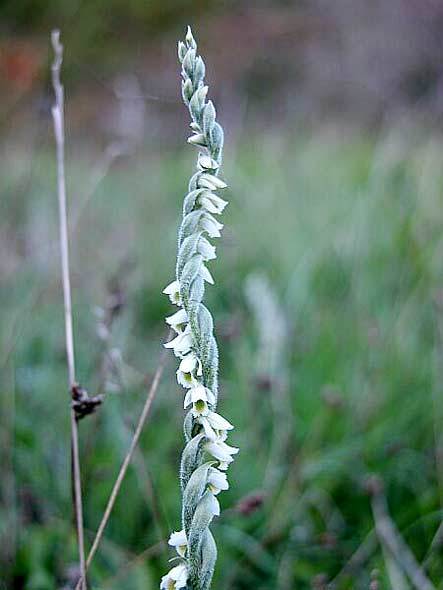
Spiranthes autumnalis
Spiranthes spiralis · Plant · Orchidaceae
Anti-inflammatory remedy with congestion and inflammation of mucous membranes and skin. Shows initial heat and inflammatory condition that progresses to systemic effects. Particularly affects breasts, female organs, and extremities with pain followed by numbness.
Key symptoms
- Marked inflammation of eyes, chin, and chest
- Whole skin dry and hot initially
- Hands burning, extremities of feet cold
- Sensation of oppression and heat with palpitation
- Sciatic pain especially right side
- Pain in shoulders and joints
- Burning in vagina and burning pain during coition
- Excessive milk flow in nursing women
Worse (aggravation)
- Touch worsens symptoms
- Bending or raising arm
- Raising breast
- Laughing causes heat in lower abdomen
- Least emotion causes palpitation
- Mental effort
- Bending over and stooping
Better (amelioration)
- Lying on left side
- Lying on back

Lady's Tresses (SPIRANTHES)
Has been used for milk-flow in nursing women, lumbago and rheumatism, colic, with drowsiness and spasmodic yawning. Is an anti-phlogistic remedy akin to Acon its symptoms showing congestion and inflammation. Acidity and burning in œsophagus with eructation.
Female
Pruritus; vulva red; dryness and burning in vagina. Burning pain in vagina during coition. Leucorrhœa, bloody.
Extremities
Sciatic pain, especially right side. Pain in shoulders. Swelling of veins of hands. Pain in all articulations of hands. Coldness of feet and toes.
Fever
Flushes of heat. Sweat on palms. Hands alternately hot and cold.
Dose
Third potency.

Spiranthes autumnalis. Lady's Tresses. N. O. Orchidaceæ. Tincture of the root.
Clinical
Breasts, painful. Breath, putrid. Burns. Coryza. Dysparunia. Eczema. Hysteria. Kidneys, pain in. Lumbago. Milk, excessive. Skin, affections of. Vision, dimness of.
Characteristics
The genus to which this orchid belongs received its name from the spiral arrangement of the flowers. The tuberous roots of Spir. autum. were "formerly esteemed as an aphrodisiac" (Treas. of Bot.). The tincture of the root was proved by Dr. Patti Chagon, Duc de Sorentino, who says of it: "The action of this drug begins with decided symptoms of inflammation of the eyes, chin, chest, which become red and hot; the whole skin is dry and hot; the hands are burning, the extremities of the feet are cold most of the time; there is a sensation of oppression and heat, with palpitation and a desire to uncover." This condition lasted two hours and gave place to others, including desire to meditate and complain, vertigo, pains in shoulders, ennui, loss of …
Classical texts are in the public domain. Educational reference only — not medical advice.
