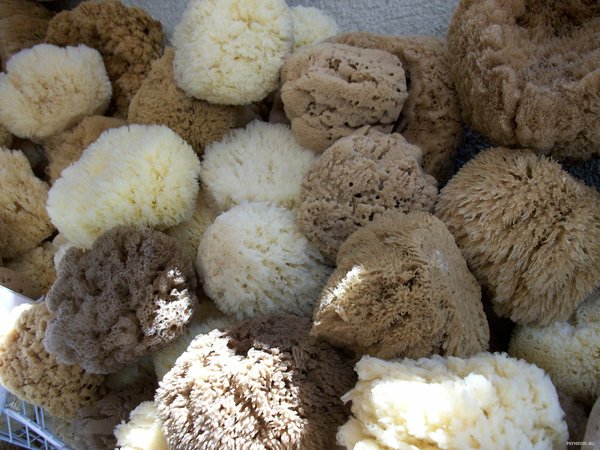
Spongia tosta
Euspongia officinalis (roasted sea sponge) · Freshwater sponge.,S. lacustris,Spongilla fluviatilis · Animal
People for whom Badiaga is best suited enjoy mental activity, and feel that their minds are always clear and active, even when ill. Excitement or pleasure may easily bring on palpitations. The body may feel sore to the touch, as if it has been beaten, which may cause restless sleep; frightening dreams may also disturb or disrupt sleep.
Profuse mucus in the respiratory system, with copious catarrh that drips from the nose, possibly due to influenza or hay fever, may respond to Badiaga. Sneezing brought on by coughing may be helped, as may hard, swollen glands in the neck and breast, possibly linked to cancer.
Key symptoms
- Dry, barking, croupy cough; cardiac and respiratory exhaustion
- Thyroid gland swollen; goiter
- Swelling of spermatic cord and testicles with pain and tenderness
- Exhaustion and heaviness after slight exertion with orgasm of blood to chest
- Anxiety and difficult breathing; every excitement increases cough
- Extreme thirst and great hunger
- Heart affections in fair complexion children with lax fiber and swollen glands
- Wakes with suffocative spells during menses
Worse (aggravation)
Better (amelioration)

Roasted Sponge
A remedy especially marked in the symptoms of the respiratory organs, cough, croup, etc. Heart affections and often indicated for the tubercular diathesis. Children with fair complexion, lax fiber; swollen glands. Exhaustion and heaviness of the body after slight exertion, with orgasm of blood to chest, face. Anxiety and difficult breathing.
Mind
Anxiety and fear. Every excitement increases the cough.
Head
Rush of blood; bursting headache; worse, forehead.
Eyes
Watering; gummy or mucus discharge.
Nose
Fluent coryza, alternating with stoppage. Dryness; chronic, dry, nasal catarrh.
Mouth
Tongue dry and brown; full of vesicles.
Throat
Thyroid gland swollen. Stitches and dryness. Burning and stinging. Sore throat; worse after eating sweet things. Tickling causes cough. Clears throat constantly.
Stomach
Excessive thirst, great hunger. Cannot bear tight clothing around trunk. Hiccough.
Male
Swelling of spermatic cord and testicles, with pain and tenderness. Orchitis. Epididymitis. Heat in parts.
Female
Before menses, pain in sacrum, hunger, palpitation. During menses, wakes with suffocative spells (Cupr; Iod; Lach). Amenorrhœa, with asthma (Puls).
Respiratory
Great dryness of all air-passages. Hoarseness; larynx dry, burns, constricted. Cough, dry, barking, croupy; larynx sensitive to touch. Croup; worse, during inspiration and before midnight. Respiration short, panting, difficult; feeling of a plug in larynx. Cough abates after eating or drinking, especially warm drinks. The dry, chronic sympathetic cough or organic heart disease is relieved by Spongia (Naja). Irrepressible cough from a spot deep in chest, as if raw and sore. Chest weak; can scarcely talk. Laryngeal phthisis. Goitre, with suffocative spells. Bronchial catarrh, with wheezing, asthmatic cough, worse cold air, with profuse expectoration and suffocation; worse, lying with head low and in hot room. Oppression and heat of chest, with sudden weakness.
Heart
Rapid and violent palpitation, with dyspnœa; cannot lie down; also feels best resting in horizontal position. Awakened suddenly after midnight with pain and suffocation; is flushed, hot, and frightened to death (Acon). Valvular insufficiency. Angina pectoris; faintness, and anxious sweat. Ebullition of blood, veins distended. Surging of heart into chest, as if it would force out upward. Hypertrophy of heart, especially right, with asthmatic symptoms.
Skin
Swelling and induration of glands; also exophthalmic; cervical glands swollen with tensive pain on turning head, painful on pressure; Goitre. Itching; measles
Sleep
Awakes in a fright, and feels as if suffocating. Generally worse after sleep, or sleeps into and aggravation (Lach).
Fever
Attacks of heat with anxiety; heat and redness of face and perspiration.
Modalities
Worse, ascending, wind, before midnight. Better, descending, lying with head low.
Relationship
Compare: Acon; Hep; Brom; Lach; Merc prot; Iod (Goitre).
Dose
Second trituration, or tincture to third potency.

Mind
The mental symptoms of Spongia show that it is a heart remedy.
When a remedy produces the anxiety, fear, and dyspnoea found in Spongia, it will most likely turn out to be a cardiac remedy, unless these conditions are connected with irritation and inflammatory diseases of the brain.
In this drug we find without any cerebral symptoms, marked anxiety, fear of death, and suffocation, associated with palpitation and uneasiness in the region of the heart. It is especially related to cases where there is pain and a sense of stuffiness and fullness in the cardiac region, in the chest, with dyspnoea, anxiety, fear of death, feat, of the future, fear that something dreadful is going to happen.

Common Sponge, roasted. N. O. Cœlenterata. Tincture (20 grains in 400 drops of alcohol).
Clinical
Aneurism. Angina pectoris. Asthma. Catalepsy. Chin, affections of. Clumsiness. Constipation. Cough. Croup. Diplopia. Exophthalmos. Fainting. Goître; exophthalmic. Heart, hypertrophy of. Hernia. Jaw-joint, pain in. Laryngismus. Laryngitis. Myopia. Rheumatic fever. Rheumatism. Testicles, inflammation of. Tuberculosis. Varicosis. Whooping-cough. Worms.
Characteristics
According to Hahnemann, Toasted Sponge was first mentioned as a specific for goître by Arnald von Villanova in the thirteenth century; but it was generally given mixed with other substances, and had fallen into disuse when Hahnemann proved it. The virtues of Spongia have been attributed to the Iodine contained in it, and partially liberated by the presence of roasting. But Spongia contains many other elements besides Iodine, and it has a distinctive action of its own. It is antipodal to Iod. in this respect, that it is best Suited to …

Roasted Sponge. (Spongia.)
For the tubercular diathesis. Especially adapted to diseases of children and women; light hair, lax fibre, fair complexion (Brom.). Swelling and induration of glands; goitre (Brom.). Awakens in fright and feels as if suffocating; as if head to breathe thru a sponge. Every mental excitement < or increases the cough. Worse after sleep or sleeps into < (Lach.). Sore throat, < after eating sweet things. Thyroid gland swollen even with chin: with suffocative paroxysyms at night. Goitre. Great dryness of mucous membranes of air passages - throat, larynx, trachea, bronchi - "dry as a horn.". Cough: dry, barking, croupy; rasping, ringing, wheezing, whistling; everything is perfectly dry, no mucous rale. Cough: dry, sibilant, like a saw driven through a pine board; < sweets, cold drinks, smoking, lying with head low, dry cold winds; < reading, singing, talking, swallowing; > eating or drinking warm things. Croup: anxious, wheezing, < during inspiration (< during expiration, Acon.); < …

Mouth and Throat
Goitre swollen and hard; suffocative at night; in persons who live in villages.
Respiratory Organs
Chronic hoarseness and cough, the voice frequently giving out when taling or singing.
Respiratory Organs
Cough lessened by eating or drinking, especially warm things.
Respiratory Organs
Cough dry and sibilant, sounds like a saw driven through a pine board (croup).
Respiratory Organs
Awakens from sleep in a fright and feels as if suffocating, with dry cough.
Respiratory Organs
Great dryness of the larynx, with hoarse, hollow, wheezing cough.
Heart and Pulse
Violent palpitation of the heart with pain and gasping respiration; awakens in the night with suffocation; dry cough; great alarm and anxiety.
-
Thyroid gland swollen and hard, with suffocative attacks at night.
-
Swelling of the testicles, with pressive bruised pain; stitches from testicles into spermatic cord which is swollen and painful.
-
Croup; dry, barking, hollow cough, with wheezing, whistling, sawing, anxious breathing; worse during inspiration and lying down.

Phatak's chapter on Spongia tosta is available in the app.
Read Phatak in the appClassical texts are in the public domain. Educational reference only — not medical advice.
