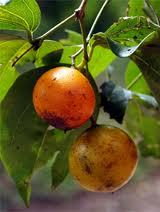
Strychnos gaultheriana
Strychnos toxifera · Curare, woorali root,Strychnos toxifera, Blind-weed · Plant · Loganiaceae
Those who respond best to Curare tend to be hurried, irritable, and aggressive. They want to be alone and may behave maliciously toward others. A loss of moral judgment is also possible. They often have a history of self-abuse, perhaps involving biting or hitting themselves, or ripping their clothes. Typically, they can eat only small amounts of food at a time.
Classic symptoms associated with Curare include weakness, heaviness, numbness, and piercing pains. Progressive muscular paralysis and impaired reflex action may also be treated by the remedy.
Key symptoms
- Exhaustion with vertigo
- Numbness and tingling in hands and feet
- Involuntary action of lower jaw
- Pustules, boils, and tertiary syphilis
- Paralysis, eczema, prurigo, old ulcers, leprosy
- Cancer of glandular structures and bites of serpents
- Removes fetor and hemorrhage in cancer; revives healing process
Worse (aggravation)
Better (amelioration)

Tropical Bind-weed (HOANG NAN)
Exhaustion with vertigo; numbness and tingling in hands and feet; involuntary action of lower jaw. Pustules and boils; tertiary syphilis and Paralysis, Eczema, prurigo, old ulcers, leprosy, cancer of glandular structures and bites of serpents. Removes fetor and hæmorrhage in cancer, revives the healing process. Follows Arsenic.
Dose
Five drops of the tincture. May be increased to twenty.
Classical texts are in the public domain. Educational reference only — not medical advice.
