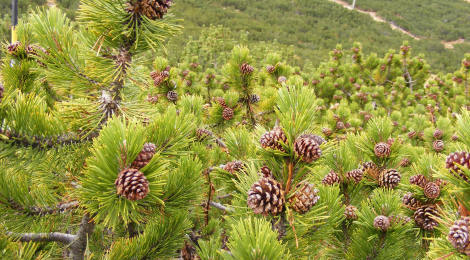
Terebinthiniae oleum
Turpentine oil · Turpentine, turps,Terebinthina laricina · Plant · Pinaceae
Terebinthum is best suited to people who are tired, delirious, and unable to concentrate. Classic symptoms associated with the remedy include burning pain and bleeding of the mucous membranes, with dark, fetid-smelling blood. The remedy has an affinity with inflammation of the urinary tract or kidneys, accompanied by hemorrhaging, water retention, and edema in the hands and feet. These ailments are often associated with smoky-colored urine that has a strange smell of violets.
Key symptoms
- Inflammation of kidneys with dark, passive, fetid hemorrhages
- Enormous tympanites; diarrhea watery, greenish, fetid, bloody
- Strangury with bloody urine
- Tongue dry, red, sore, shining with burning tip and prominent papillae
- Unbroken chilblains
- Hemorrhage from bowels; entero-colitis with ulceration
- Drowsiness and coma in kidney disease
- Vertigo with vanishing of vision
Worse (aggravation)
Better (amelioration)

Turpentine (TEREBINTHINA)
Has a selective affinity for bleeding mucous surfaces. Tympanites and urinary symptoms very marked. Inflammation of kidneys, with hæmorrhages-dark, passive, fetid. Bright's disease preceded by dropsy (Goullon). Drowsiness and strangury. Coma. Unbroken chilblains.
Head
Dull pain like from a band around the head (Carb ac). Vertigo, with vanishing of vision. Disturbed sense of equilibrium. Tired and difficult concentration of thoughts. Cold in head with sore nostrils with disposition to bleed.
Eyes
Ciliary neuralgia over right eye. Intense pain in eye and side of head. Amblyopia from alcohol.
Ears
Own voice sounds unnatural; humming as of a seashell, talking loudly is painful. Otalgia.
Mouth
Tongue dry, red sore, shining; burning in tip, with prominent papillæ (Arg n; Bell; Kali b; Nux m). Breath cold, foul. Choking sensation in throat. Stomatitis. Dentition.
Stomach
Nausea and vomiting; heat in epigastric region.
Abdomen
Enormous distention. Diarrhœa; stools watery, greenish, fetid, bloody. Pain before flatus with and relief after stool. Hæmorrhage from bowels. Worms; lumbrici. Abdominal dropsy; pelvic peritonitis. Fainting after every stool Entero-colitis, with hæmorrhage and ulceration of bowels.
Urinary
Strangury, with bloody urine. Scanty, suppressed, odor of violets. Urethritis, with painful erections (Canthar). Inflamed kidneys following any acute disease. Constant tenesmus.
Female
Intense burning in uterine region. Metritis; puerperal peritonitis. Metrorrhagia with burning in uterus.
Respiratory
Difficult breathing; lungs feel distended; hæmoptysis. Bloody expectoration.
Heart
Pulse rapid, small, thready, intermittent.
Back
Burning pain in region of kidneys. Drawing in right kidney extending to hip.
Skin
Acne. Erythema; itching pustular, vesicular eruption; urticaria. Purpura, ecchymosis, dropsies. Scarlatina. Chilblains; with excessive itching and pulsative pains. Aching soreness of the muscles.
Fever
Heat, with violent thirst, dry tongue, profuse cold, clammy sweat. Typhoid with tympanites, hæmorrhages, stupor, delirium. Prostration.
Relationship
Compare: Alumen; Secale; Canth; Nit ac. Terebene 1x; (chronic bronchitis and winter coughs; subacute stages of inflammation of respiratory tract. Loosens secretion, relieves tightened feeling, makes expectoration easy). Neurotic coughs. Huskiness of public speakers, and singers. Cystitis when urine is alkaline and offensive.
Ononis spinosa-Rest Harrow--(Diuretic, Lithontriptic. Chronic nephritis; diuretic effects like Juniper; calculus nosebleed, worse washing face).
Antidote: Phos.
Dose
First to sixth potency.

Oleum terebinthinæ. Oil of Turpentine. C10 H16. The oil distilled from the oleo-resin (turpentine) obtained from various species of Pinus, purified by repeated rectification with water. Solution in rectified spirit. Ozonised Oil of Turpentine (prepared by exposure of the common oil to sun and air in a half-filled bottle and shaking from time to time).
Clinical
Albuminuria. Amblyopia potatorum. Asthma. Backache. Bladder, irritable. Brachial neuralgia. Bronchitis. Chordee. Chorea. Ciliary neuralgia. Cystitis. Dentition. Dropsy. Dysentery. Dysmenorrhœa. Enteric fever. Epilepsy. Erysipelas bullosa. Erythema. Fibroma. Gall-stone colic. Glands, inguinal; swelling of. Gleet. Gonorrhœa. Hæmaturia. Hæmorrhoids. Hernia; strangulated. Herpes labialis pudendi. Hydrophobia. Hypochondriasis. Insanity. Intestines, ulceration of. Iritis. Jaundice. Kidneys, congestion of; neuralgia of. Lumbago. Neuralgia; supraorbital. Ovaries, pains in; dropsy of. Pityriasis. Purpura hæmorrhagica. Scabies. Scarlatina. Sciatica. Spermatorrhœa. Strangury. Stricture. Tetanus. Tympanites. Uræmia. Urine, suppression of; retention of. Worms.
Oil of Turpentine (A Volatile Oil.)
The urine has the odor or violets. Tongue: smooth, glossy, red, as if deprived of papillae, or as if glazed (Pyr.); elevated papillae; coating peels off in patches leaving bright red spots, or entire coating cleans off suddenly (in exanthemata); dry and red; burning in tip (compare, Mur. ac.). Abdomen: extremely sensitive to touch; distention, flatulence, excessive tympanitis; meteorism (Colch.). Diarrhoea: stool, watery, greenish, mucous; frequent, profuse, fetid, bloody; burning in anus and rectum, fainting and exhaustion, after (Ars.). Worms: with foul breath, choking (Cina, Spig.); dry, hacking cough; tickling at anus; ascarides, lumbrici, tapeworm segments passed. Haematuria: blood thoroughly mixed with the urine; sediment, like coffee-grounds; cloudy, smoky, albuminous; profuse, dark or black, painless. Congestion and inflammation of viscera; kidneys, bladder, lungs, intestines, uterus; with haemorrhage, and malignant tendency. Purpurea haemorrhagica; fresh …
Mouth and Throat
Tongue red, smooth and glossy, as if deprived of its papillae.
Urinary Organs
Violent burning; drawing pain in region of kidneys; urine scanty and bloody, smoky, albuminous.
- Nephritis with burning, drawing pains in region of kidneys; heaviness and pressure; strangury; scanty, bloody urine.

Phatak's chapter on Terebinthiniae oleum is available in the app.
Read Phatak in the appClassical texts are in the public domain. Educational reference only — not medical advice.
