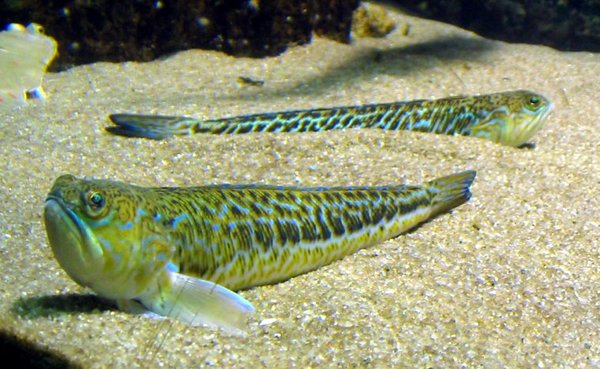
Trachinus
Animal
Trachinus is indicated in acute blood-poisoning with intense wave-like burning and stinging pains that increase to unbearable intensity and then subside, accompanied by rapid spreading swelling, gangrene, high fever, and hydrophobia-like symptoms. It should be considered in severe toxic reactions from fish stings or analogous blood-poisoning states with intense local and systemic effects.
Key symptoms
- Stinging, burning, throbbing pain increasing to unendurable intensity, then decreasing over about an hour
- Violent burning pain extending from wound to chest
- Swelling of whole body or of wounded part spreading to head and chest
- Raving, hydrophobia-like symptoms; anxiety and fear of death
- Violent headache; vertigo; green bilious vomiting
- Paroxysms of suffocation; palpitation
- Constant fever with irregular pulse; cold, clammy sweat
- Skin of body becomes yellowish-green; gangrenous blisters

Trachinus draco and T. vipera. The Great and Lesser Weever, Sting-bull and Sting-fish. Trituration of the poisonous fins.
Clinical
Asthma. Blood-poisoning. Neuralgia. Ulcers.
Characteristics
Some very serious effects have been recorded from wounds inflicted with the fins of Trachinus. Intolerable pains, swelling of the part, and in some cases gangrene, fever, delirium, and symptoms of hydrophobia have been observed. It should be indicated in cases of acute blood-poisoning with intense pains.
1. Mind
Raving.─Hydrophobia.─Anxiety.─Fear of death.
2. Head
Vertigo.─Violent headache.
11. Stomach
Violent thirst.─Nausea.─Green, bilious vomiting.
Classical texts are in the public domain. Educational reference only — not medical advice.
