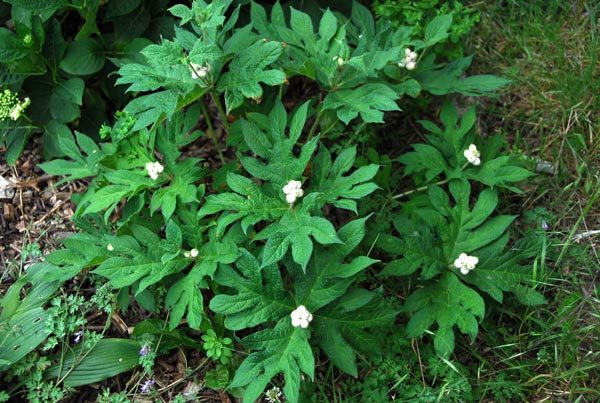
Triosteum
Plant · Caprifoliaceae
Triosteum suits bilious, gastric, or typhoid fevers with marked aching pains throughout the body, profuse sour vomiting, joint stiffness, and characteristic early-morning aggravation (3–7 a.m.). The numbness of lower limbs following stool is a peculiar concomitant. It is also indicated in acute rheumatism with gastric involvement and in urticaria.
Key symptoms
- Intense aching pains in nearly every part of the body, especially lower limbs and head
- Nausea on rising immediately followed by copious vomiting of very sour ingesta with stomach cramps
- Numbness of lower limbs after stool (peculiar concomitant)
- Headache worse sitting up; right forehead and right temple more affected
- Great stiffness in all joints, especially lower limbs; stiffness of knees when rising
- Watery frothy stool without pain, followed by exhaustion
- Sleepiness with inability to sleep after midnight
- Bilious gastric fever with intense urticaria
Worse (aggravation)
- Early morning, 3, 4, 5, and 7 a.m.
- Sitting up; rising from bed; turning in bed; lying
- After sleep
- Drinking cold water (epigastric pain)

Triosteum perfoliatum. Fever-wort. Horse-gentian. N. O. Caprifoliaceæ (Tribe, Lonicereæ). Tincture of fresh root.
Clinical
Asthma. Backache. Fever; gastric. Headache; bilious. Influenza. Infra-mammary pain. Joints, stiff. Typhoid. Urticaria.
Characteristics
Triost. is an energetically acting drug, and has been proved by Williamson, Neidhard, Gatchell, and; other experienced provers. The name "fever-wort" tells its traditional reputation. Hale says it is one of the ingredients of the "fever powder" of the eclectics. Talmadge, one of the provers, found it of great value in typhoid and gastric fevers. It produced acute rheumatic symptoms and an intense urticaria. Talmadge says of the effect on himself: "It acted promptly and emphatically, causing aching pains in nearly every part of the body, especially of lower limbs and head." The right side of the head was more affected than the left. The stomach was very much disordered. The vomiting and pain in the stomach were very severe. At the anus there was itching and …
Classical texts are in the public domain. Educational reference only — not medical advice.
