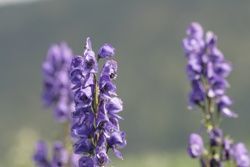
Aconitinum
Aconitine (alkaloid of Aconitum) · Plant · Ranunculaceae
Aconitinum acts on the peripheral nervous system, producing intense tingling, numbness, and burning beginning locally and spreading systematically, often ascending from below upward. It suits acute neurological crises with extreme sensitization of nerve endings eventually giving way to paralysis and anesthesia.
Key symptoms
- Numbness, tingling, and prickling sensations proceeding from below upward
- Burning with sharp pains on application, followed by anesthesia
- Convulsions, tetanus, and trismus
- Dyspnea and spasms of the esophagus
- Neuralgia of intense, unendurable character
- Blindness and deafness from toxic effects
- Enlargement of liver and spleen

Aconitine. Aconitia. C33 H45 NO12. An alkaloid obtained from the roots and stems of Aconitum napellus. It is contained in all species of Aconite except A. lycoctonum.
[German Aconitine is amorphous; French Aconitine is crystalline, and 170 times stronger than the German. Morson's "English Aconitine" is a secret preparation believed to be made from A. Ferox. The alkaloid in A. Ferox differs somewhat from ordinary Aconitine chemically, and is called pseudo-Aconitine. Aconitine of T. H. Smith, of Edinburgh, is probably identical with Morson's. Symptoms from Morson's are marked (M) in the Schema.]
Clinical
Blindness. Chill. Convulsions. Deafness. Dyspnœa. Ears, noises in. Hemicrania. Hydrophobia. Landry's paralysis. Liver, enlargement of. Neuralgia. Œsophagus, spasms of. Spasms. Spleen, enlargement of. Tetanus. Tongue, affections of. Trismus. Vomiting.
Classical texts are in the public domain. Educational reference only — not medical advice.
