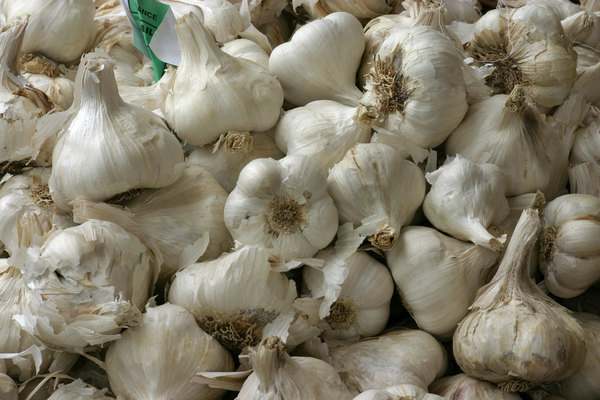
Allium sativum
Garlic · Plant · Amaryllidaceae
Allium sat. is most appropriate for people who are oversensitive and need company. Although subject to many fears, they have a particular fear of being poisoned. They generally enjoy a rich, gourmet diet, especially one that includes meat, but are prone to indigestion and catarrh problems.
The remedy is primarily associated with indigestion caused by a rich diet or by dietary change. The digestive process is accompanied by pressure in the upper abdomen, foul-smelling gas, and colicky pains around the navel. Dull pains in the bowels and either constipation or diarrhea may be present. Allium sat. is also used to treat tearing pains in the hip area and abdomen.
Key symptoms
- Yeasty, garlicky eructations
- Frequent micturition and urinary symptoms
- Dry hacking cough with burning in chest
- Constipation with ineffectual desire
- Temporal pain, especially left
- Sweating in palms
- Insomnia and weariness
- Irritability, anxiety, hysteria
Worse (aggravation)
Better (amelioration)

Garlic
Acts directly on intestinal mucous membrane increasing peristalsis. Colitis, with pathological flora. Has vaso-dilatory properties. Arterial hypotension begins usually in 30 to 45 minutes after twenty to forty drop doses of the tincture.
Adapted to fleshy subjects with dyspepsia and catarrhal affections. High livers. Patients who eat a great deal more, especially meat, than they drink. Pain in hip, pain in psoas and iliac muscles. Pulmonary tuberculosis.
Cough and expectoration diminishes, temperature becomes normal, weight is gained, and sleep becomes regular. Hæmoptysis.
Head
Heavy; pulsation in temples; catarrhal deafness.
Mouth
Much sweetish saliva after meals and at night. Sensation of a hair on tongue or throat.
Stomach
Voracious appetite. Burning eructations. Least change in diet causes trouble. Constipation, with constant dull pains in bowels. Tongue pale, red papillæ.
Respiratory
Constant rattling of mucus in bronchi. Cough in the morning after leaving bedroom, with mucous expectoration, which is tenacious and difficult to raise. Sensitive to cold air. Dilated bronchi, with fetid expectoration. Darting pain in chest.
Female
Pain in swelling of breasts. Eruption in vagina and on breasts and vulva during menses.
Relationship
Allium Sat according to Dr. Teste, belongs to the Bryonia group, including Lycopod. Nux. Colocy, Digital and Ignatia which affect deeply all flesh eating animals and hardly at all vegetarians. Hence their special applicability to meat eaters rather than to exclusive vegetarians.
Compare: Capsicum; Arsenic; Senega; Kali nit.
Complementary: Arsenic.
Antidote: Lycopod.
Dose
Third to sixth potency. In tuberculosis, dose, four to six grammes in moderate state of dessication daily, in divided doses.

Garlic. N. O. Liliaceæ. Tincture of fresh bulb.
Clinical
Alopecia. Asthma, periodical. Bronchitis. Catarrhs. Colic. Constipation. Cough. Coxalgia. Dandriff. Diabetes. Diarrhœa. Dypepsia. Fevers. Headache. Hip, rheumatism of. Hoarseness. Menorrhagia. Menses, disorders of. Ophthalmia. Rheumatism. Salivation. Scurvy. Skin, affections of. Sprains. Whitlow. Worms.
Characteristics
Teste places All. sat. in the Bryonia group along with Lyc., Digit., Nux v., Coloc., Ign., all of which act with much power on carnivorous animals and hardly at all on herbivora. All are suited to persons who are disposed to excesses at table, have strong constitutions, dark complexions, firm flesh, though occasionally disposed to obesity. The All. sat. patient is rather a gourmand than a glutton. It suits persons who eat a great deal more than they drink. In the mental sphere there is anxiety and impatience. Fears he won't recover; that he won't be able to bear any medicine; fear of being poisoned. Teste has cured with it, chronic …

Phatak's chapter on Allium sativum is available in the app.
Read Phatak in the appClassical texts are in the public domain. Educational reference only — not medical advice.
