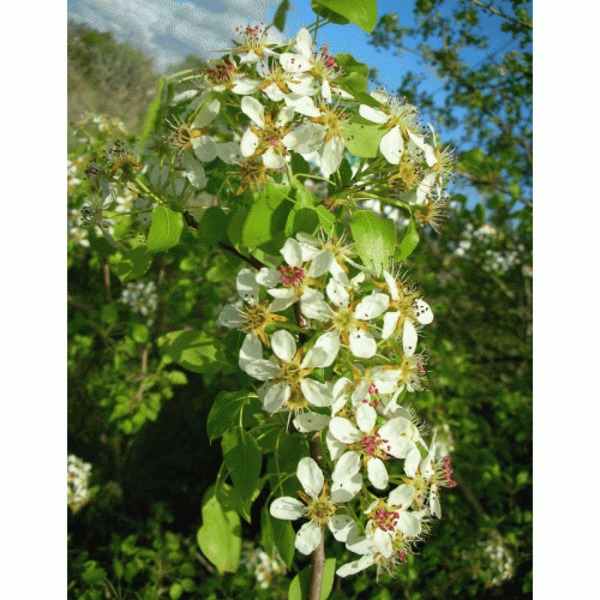
Pareira brava
Chondrodendron tomentosum · Chondrodendron tomentosum, Pareira, pareira brava. · Plant · Menispermaceae
People for whom Pareira is best suited tend to have a constant urge to urinate, with great straining and painful urination. There is typically severe pain radiating down the thigh, and it may be possible to urinate only in certain positions. In men, there may be severe pain in the penis. Excruciating pains may develop on the left side of the lower back. The urine may contain thick, stringy, white mucus or a red precipitate. Pareira may also be helpful for itching in the urethra, kidney colic, an enlarged prostate gland, and prostate disorders with urine retention.
Key symptoms
- The urinary symptoms are most important.
- Useful in renal colic, prostatic affections, and catarrh of bladder.
- Sensation as if bladder were distended, with pain.
- Black, bloody, thick mucous urine.
- Constant urging; great straining; pain down thighs during efforts to urinate.
Worse (aggravation)
Better (amelioration)

Virgin-vine (CHONDRODENDRON TOMENTOSUM)
The urinary symptoms are most important. Useful in renal colic, prostatic affections, and catarrh of bladder. Sensation as if bladder were distended, with pain. Pain going down thigh.
Urinary
Black, bloody, thick mucous urine. Constant urging; great straining; pain down thighs during efforts to urinate. Can emit urine only when he goes on his knees, pressing head firmly against the floor. Feeling of the bladder being distended and neuralgic pain in the anterior crural region. (Staph.) Dribbling after micturition. (Selen.) Violent pain in glans penis. Itching along urethra; urethritis, with prostatic trouble. Inflammation of urethra; becomes almost cartilaginous.
Relationship
Compare: Parietaria (renal calculi; nightmare, patient dreaming of being buried alive); Chimaphila (chronic catarrhal congestion following cystitis; acute prostatitis; feeling of a ball in perineum when sitting); Fabiana, see Pichi (dysuria; post-gonorrhœal complications; gravel; vesical catarrh); Uva; Hydrang; Berber; Ocim; Hedeom.
Dose
Tincture, to third potency.

Pareira brava. Cessampelos pareira. Velvet Leaf. Virgin Vine. N. O. Menispermaceæ. Tincture of fresh root.
Clinical
Bladder, catarrh of. Calculus. Dysuria. Gonorrhœa. Leucorrhœa. Prostate, enlargement of. Renal colic. Urine, slimy.
Characteristics
Pareira is a climbing plant, a native of the West Indies, Central America, and India. The root has a traditional use in diseases of the bladder and urinary organs. A short proving by C. M. Fox, of Denver (Med. Adv., xvi. 319), brought out some characteristic symptoms which have been clinically confirmed. Among these are: Violent pains with strangury; must go on "allfours" and press head against floor to pass water at all." "Urethritis with severe pain when passing water, and discharge of mucus from urethra." "Pains down thighs and even to feet when attempting to pass water." "Violent pain in glans penis" with the straining. Fox relates two cases of prostatic enlargement with dysuria in which Par. gave complete relief. (1) Man, 68, old prostatic affection …

Urinary Organs
Constant urging to urinate with violent pain in glans penis and straining; the pain is so great that it extorts cries from the patient; extends into the thighs; urine has strong ammoniacal smell, and contains large quantities of thick, tough mucus.

Phatak's chapter on Pareira brava is available in the app.
Read Phatak in the appClassical texts are in the public domain. Educational reference only — not medical advice.
