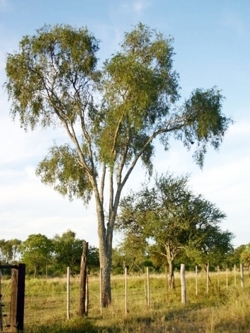
Quebracho
Aspidosperma quebracho-blanco · Plant · Apocynaceae
Indicated in cases of pulmonary and cardiac disease where the dominant symptom is want of breath, especially on exertion. The patient may show cyanosis and signs of right-sided heart enlargement or mitral valve disease. It acts primarily as a respiratory stimulant without influencing fever.
Key symptoms
- Dyspnoea with want of breath on exertion — the chief guiding symptom
- Asthma with livid or cyanotic face
- Cardiac asthma and severe nocturnal dyspnoea
- Dyspnoea in phthisis and pleurisy without influencing fever
- Gelatinous pearl-like rounded masses expectorated in emphysema
- Mitral incompetence with dyspnoea relieved by Aspidospermine

Quebracho (ASPIDOSPERMA)
The digitalis of the lungs (Hale). Removes temporary obstruction to the oxidation of the blood by stimulating respiratory centers, increasing oxidation and excretion of carbonic acid. Pulmonary stenosis. Thrombosis of pulmonary artery. Uræmic dyspnœa. An effective remedy in many cases of asthma. It stimulates the respiratory centers and increases the oxygen in the blood. "Want of breath" during exertion is the guiding symptom. Cardiac asthma.
Relationship
Compare: Coca; Arsenic; Coffea-Catalpa (difficult respiration).
Dose
First trituration of tincture, or Aspidospermin hydrochlorid 1 grain of 1x trit. Every hour for a few doses.

Aspidosperma quebracho. White Quebracho. N. O. Apocynaceæ. Tincture and trituration of the bark. Trituration and solutions of the alkaloid Aspidospermine and its salts.
Clinical
Asthma, Cardiac asthma. Fever.
Characteristics
Quebracho is a Brazilian fever remedy from which the alkaloid Astidospermine has been isolated. This is in small, very brilliant, white crystals, sparingly soluble in water, readily soluble in alcohol and ether. Hale says Queb. produces in animals respiratory paralysis, slowed heart, and paralysis of extremities. It relieves dyspnœa in phthisis and pleurisy, but without influencing the fever. The 1x relieved asthma with livid face; and dyspnœa with cyanosis is frequently relieved by it. Hale gives these cases as relieved by it: (1) Mitral incompetence and stenosis with severe nocturnal dyspnœa. (2) Fatty heart (Queb. had no influence on the œdema, which was removed by Dig.). Jos. P. Cobb (quoted A. H., xxvii. 74) records a case of heart affection of some duration in a …
Classical texts are in the public domain. Educational reference only — not medical advice.
