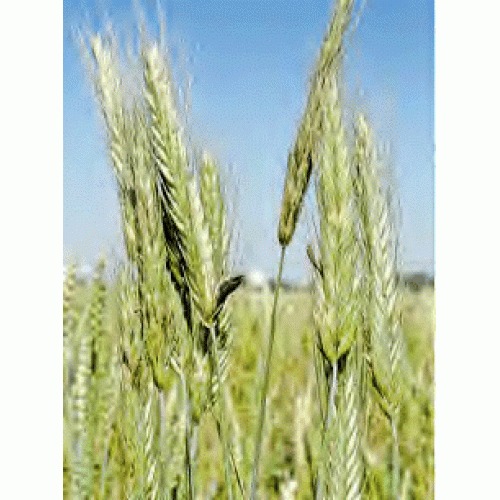
Secale cornutum
Claviceps purpurea · Ergot · Fungus · Clavicipitaceae
People who benefit most from Secale often feel confused, suspicious, and fearful, and may even doubt their own sanity.
A key affinity for Secale is with uterine problems in women. It is often used for uterine bleeding and hypercontraction of the muscles in the uterus. Secale is given to strengthen weak contractions during labor, and for puerperal sepsis (infection in the genital tract after childbirth). It may also help menstrual cramps with dark, irregular bleeding, and a flow of watery blood between menstrual periods.
Key symptoms
- Thin, fetid, watery dark hemorrhages with continuous oozing
- Whole body pervaded by great heat; all conditions better from cold
- Emaciation with ravenous appetite and unquenchable thirst
- Gangrene and mortification; coldness and numbness of extremities
- Useful in thin, scrawny old women with shriveled skin
- Tongue dry and cracked; blood like ink exudes
- Facial and abdominal muscles twitch; spasmodic distortion
- Pale, pinched, sunken face; eyes sunken with blue margins
- Anxiety and debility; anemic condition
Worse (aggravation)
Better (amelioration)

Ergot (CLAVICEPS PURPUREA)
Produces contraction of the unstriped muscular fibers; hence a constringent feeling throughout the whole body. This produces an anæmic condition, coldness, numbness, petechiæ, mortification, gangrene. A useful remedy for old people with shriveled skin-thin, scrawny old women. All the Secale conditions are better from cold; the whole body is pervaded by a sense of great heat. Hæmorrhages; continued oozing; thin, fetid, watery black blood. Debility, anxiety, emaciation, though appetite and thirst may be excessive. Facial and abdominal muscles twitch. Secale decreases the flow of pancreatic juice by raising the blood pressure (Hinsdale).
Head
Passive, congestive pain (rises from back of head), with pale face. Head drawn back. Falling of hair; dry and gray. Nosebleed, dark, oozing.
Eyes
Pupils dilated. Incipient cataract, senile especially in women. Eyes sunken and surrounded by a blue margin.
Face
Pale, pinched, sunken. Cramps commence in face and spread over whole body. Livid spots on face. Spasmodic distortion.
Mouth
Tongue dry, cracked; blood like ink exudes, coated thick; viscid, yellowish, cold livid. Tingling of tip of tongue, which is stiff. Tongue swollen, paralyzed.
Stomach
Unnatural ravenous appetite; craves acids. Thirst unquenchable. Singultus, nausea; vomiting of blood and coffee-grounds fluid. Burning in stomach and abdomen; tympanites. Eructations of bad odor.
Stool
Cholera-like stools, with coldness and cramps. Olivegreen, thin, putrid, bloody, with icy coldness and intolerance of being covered, with great exhaustion. Involuntary stools; no sensation of passing feces, anus wide open.
Urine
Paralysis of bladder. Retention, with unsuccessful urging. Discharge of black blood from bladder. Enuresis in old people.
Female
Menstrual colic, with coldness and intolerance of heat. Passive hæmorrhages in feeble, cachectic women. Burning pains in uterus. Brownish, offensive leucorrhœa. Menses irregular, copious, dark; continuous oozing of watery blood until next period. Threatened abortion about the third month (Sab). During labor no expulsive action, though everything is relaxed. After-pains. Suppression of milk; breasts do not fill properly. Dark, offensive lochia. Puerperal fever, putrid discharges, tympanitis, coldness, suppressed urine.
Chest
Angina pectoris. Dyspnœa and oppression, with cramp in diaphragm. Boring pain in chest. Præcordial tenderness. Palpitation, with contracted and intermittent pulse.
Sleep
Profound and long. Insomnia with restlessness, fever, anxious dreams. Insomnia of drug and liquor habitudes.
Back
Spinal irritation, tingling of lower extremities; can bear only slightest covering. Locomotor ataxia. Formication and numbness. Myelitis.
Extremities
Cold, dry hands and feet of excessive smokers with feeling of fuzziness in fingers. Trembling, staggering gait. Formication, pain and spasmodic movements. Numbness. Fingers and feet bluish, shriveled, spread apart or bent backwards, numb. Violent cramps. Icy coldness of extremities. Violent pain in finger-tips, tingling in toes.
Skin
Shriveled, numb; mottled dusky-blue tinge. Scleræma and œdema neonatorum. Raynaud's disease. Blue color. Dry gangrene, developing slowly. Varicose ulcers. Burning sensation; better by cold; wants parts uncovered, though cold to touch. Formication; petechiæ. Slight wounds continue to bleed. Livid spots. Boils, small, painful, with green contents; mature slowly. Skin feels cold to touch, yet covering is not tolerated. Great aversion to heat. Formication under skin.
Fever
Coldness; cold, dry skin; cold, clammy sweat; excessive thirst. Sense of internal heat.
Modalities
Worse, heat, warm covering. Better, cold, uncovering, rubbing, stretching out limbs.
Relationship
Compare: Ergotin (Beginning arteriosclerosis progressing rather rapidly. Increased blood pressure: 2x trit. Œdema, gangrene and purpura hæmorrhagia: when Secale, though indicated, fails); Pedicularis Canadensis (Symptoms of locomotor ataxia; spinal irritation); Brassica napus-Rape-seed--(dropsical swellings, scorbutic mouth, voracious appetite, tympanitis, dropping of nails, gangrene); Cinnamon; Colch; Ars; Aurum mur. 2x (locomotor ataxia); Agrostema-Corn-cockle-active constituent is Saponin, which causes violent sneezing and sharp burning taste; burning in stomach, extends to œsophagus, neck and breast; (vertigo, headache, difficult locomotion, burning sensation); Ustilago; Carbo; Pituitrin (dilated os, little pain, no progress. Dose, 1/2 c, repeat in half hour, if necessary. Hypodermically contra-indicated in first stage of labor, valvular lesions or deformed pelvis).
Antidotes: Camph; Opium.
Dose
First to thirtieth potency. Non-homeopathic use. In hæmorrhages of the puerperium, after the uterus in entirely emptied, when it fails to contract satisfactorily and in secondary puerperal hæmorrhage the result of incomplete involution of the uterus, give one-half to one dram of the fluid extract. Remember Pagot's law. "As long as the uterus contains, anything, be it child, placenta, membranes, clots, never administer Ergot".
The best provers of Secale, those who are most susceptible to its action, are scrawny people, and they are the ones who will most likely need it as their curative remedy.
Aspect
Of course, it is not necessarily contra-indicated in fat people. Certain constitutions are mentioned in connection with a remedy as being suited to it, but it must not be inferred that no action will result in others when the symptoms agree. Scrawny people are especially related to Secale.
Emaciated, withered, wrinkled, unhealthy appearance of the skin; purplish, bluish skin, general or in spots; purplish I spots on withered skin, especially where the circulation is feeble as on the back of the hands and feet and on the tibia.

Secale cornutum. Spurred Rye. Ergot of Rye. [The black, horn-like spur into which the grains of Rye (Secale cereale, N. O. Gramineæ) are changed by the fungus Claviceps purpurea.] N. O. Fungi. Tincture of The fresh spurs collected just before harvest.
Clinical
Abortion, threatened. After-pains. Albuminuria. Anus, incontinence of; open. Asthenopia. Bladder, paralysis of. Boils. Carbuncles. Cataract. Chilblains. Cholera; infantum. Chorea. Convulsions. Cramps. Diabetes. Diaphragm, cramp in. Diarrhœa. Distortions. Dysphagia. Epilepsy. Epistaxis. Feet, cramps in; burning of; coldness of. Fibroma. Gangrene. Gastritis. Glands, swelling of; suppuration of. Goître. Hæmaturia. Hæmorrhages. Hæmorrhagic diathesis. Heart, palpitation of. Hiccough. Hysteria. Impotence. Liver, enlargement of. Lochia, fetid. Lumbago. Menstruation, excessive. Metrorrhagia. Milk, suppressed. Miscarriage. Morvan's disease. Myelitis; diffusa. Nails, degeneration of. Neuralgia. Night-sweats. Numbness. Œsophagitis. *Ovaries, tumours of. …
Spurred Rye; Ergot. (A Fungus; a Nosode.)
Adapted to women of thin, scrawny, feeble, cachetic appearance; irritable, nervous temperament; pale, sunken countenance. Very old, decrepit, feeble persons. Women of very lax muscular fibre; everything seems loose and open; no action; vessels flabby; passive haemorrhages, copious flow of thin, black, watery blood; the corpuscles are destroyed. Haemorrhagic diathesis; the slightest wound causes bleeding for weeks (Lach., Phos.); discharge of sanious liquid blood with a strong tendency to putrescence; tingling in the limbs and great debility, especially when the weakness is not caused by previous loss of fluids. Leucorrhoea; green, brown, offensive. Boils: small, painful with green contents, mature very slowly and heal in the same manner; very debilitating. Face: pale, pinched, ashy, sunken, hippocratic; drawn, with sunken eyes; blue rings around eyes. Unnatural, ravenous appetite; even with exhausting diarrhoea; craves acids, lemonade. Diarrhoea: profuse, watery, putrid, …
Anus and Stool
Cholera infantum; great debility; vomiting and diarrhoea; much thirst; pale face; sunken eyes; dry heat; quick pulse; restless and sleepless, don’t want to be covered.
Female Sexual Organs
Strong tendency to putrescence, with tingling in the limbs and great debility.
Female Sexual Organs
Passive haemorrhage; every thing seems too open and loose; no action in thin scrawny women.
Female Sexual Organs
Labor pains are weak, suppressed, or distressing in weak cachetic women (200th).
Female Sexual Organs
Copious flow of black liquid blood, < from slightest movement, with convulsive motions (abortion).
Female Sexual Organs
Labor; the pain is much prolonged, as if pressing and forcing the uterus, especially in thin, scrawny, cachetic women.
- Uterine hemorrhages from atony; especially after abortion or confinement; flow black and offensive; worse from slightest motion; threatening collapse.

Phatak's chapter on Secale cornutum is available in the app.
Read Phatak in the appClassical texts are in the public domain. Educational reference only — not medical advice.
